Rio Rancho New-Construction vs. Resale: 9 Costs Buyers Forget to Compare
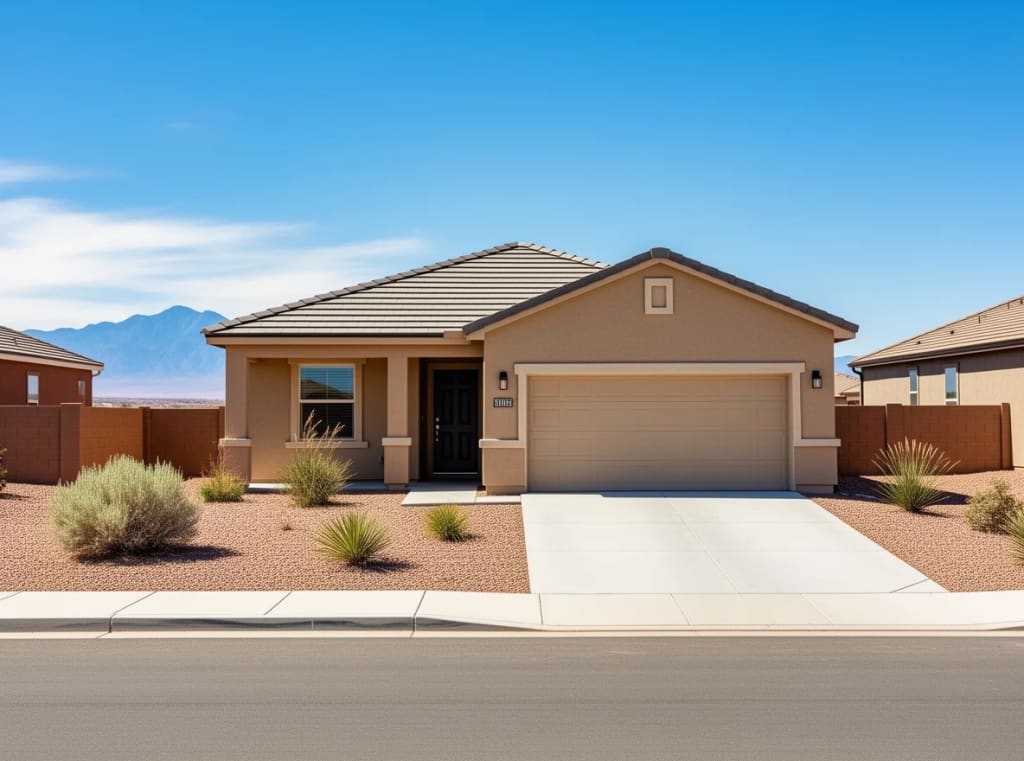
New construction can feel like a clean slate: fresh paint, modern layouts, and that "no one has lived here yet" sparkle. Resale homes, on the other hand, often come with mature landscaping, established neighborhoods, and a price that looks easier to swallow at first glance. But in Rio Rancho, the real comparison isn't just list price—it's the quiet line items that show up between contract and move-in (and sometimes months later). If you're weighing a brand-new build against an existing home, here are nine costs buyers routinely forget to put side-by-side.
1) Lot premiums, "design center" upgrades, and option creep
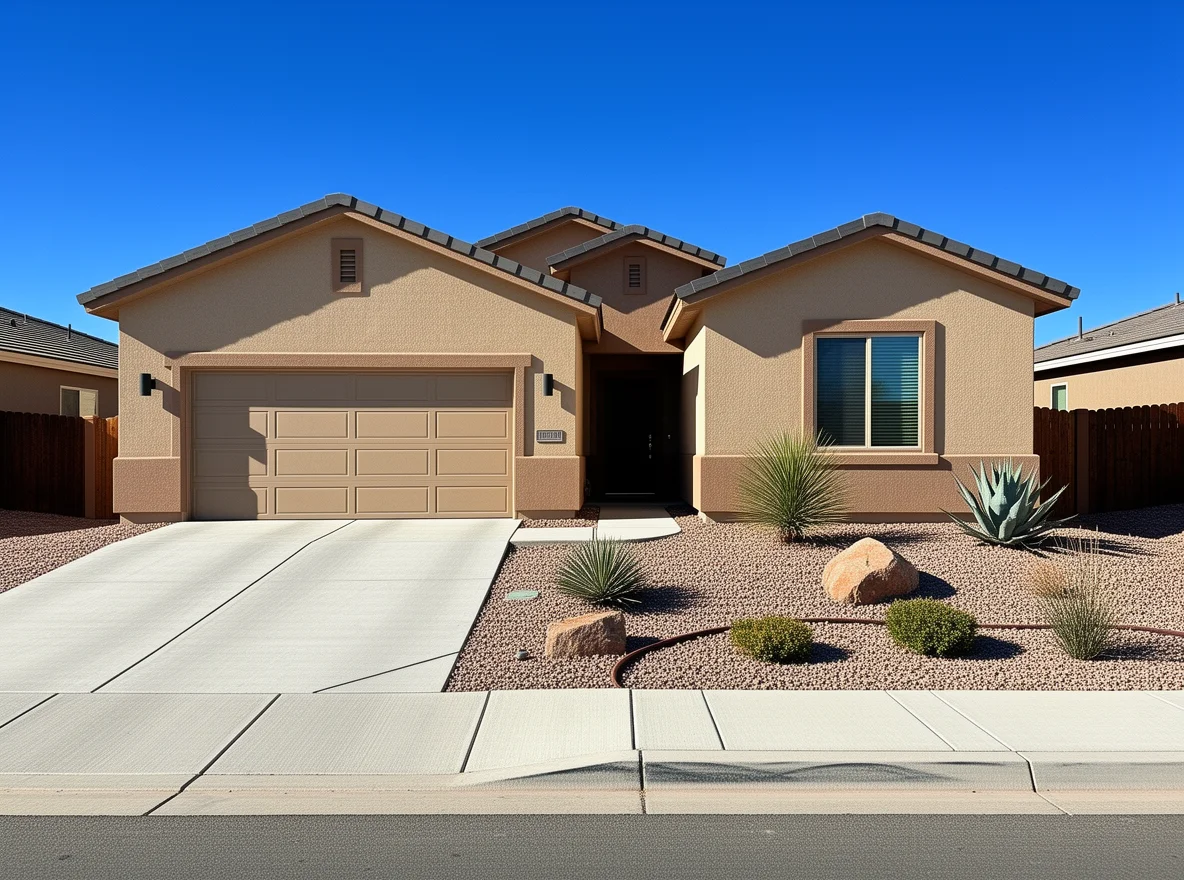
That base price on a new build is a starting point, not a promise. In many Rio Rancho communities, certain lots carry premiums for corner positioning, view corridors, or distance from busier roads. Then comes the design-center reality: upgraded flooring, cabinet packages, hardware, lighting, and even bathroom tile can add up quickly.
Resale homes typically "include" those finishes in the purchase price, even if you plan to change them. With a new build, it's easy to say yes to ten small upgrades that quietly become a five-figure jump. Tip: ask for a complete options worksheet early, and compare it to what similar resale homes already offer.
2) Landscaping, fencing, and window coverings
Many new homes close with a blank backyard, minimal front landscaping, and no privacy fencing or blinds—especially if the builder's package is basic. In New Mexico's sun, quality window coverings aren't a luxury; they're comfort and energy control. A resale home may already have mature trees, irrigation, gravel or turf, patio extensions, and fencing in place.
When you compare, estimate your "day-one livability" costs. Even modest landscaping, fencing, and blinds can rival the price difference between new and resale.
3) Utility setup, deposits, and the first-year usage curve
New construction can be more efficient on paper, but your first-year utility costs may surprise you. New HVAC systems are great, yet you might run them harder while the home "settles" and you learn hot spots, sun exposure, and how to best manage shade. There can also be initial setup fees or deposits depending on your provider history.
With resale, you can often request past usage patterns from the seller (or at least get anecdotal context), which helps you budget more confidently.
4) Property taxes and how they're calculated after closing
This one catches buyers constantly. With new construction, the tax bill may be based on land value at first, then jump after the county reassesses the completed home. That can mean your escrow payment changes significantly after you've already settled into a comfortable monthly number.
Resale homes typically have a clearer tax track record because the assessed value already reflects an existing structure. Before choosing new construction, ask your lender and your real estate professional to run a "post-assessment" estimate so you aren't surprised later.
5) HOA dues, special assessments, and what's actually included
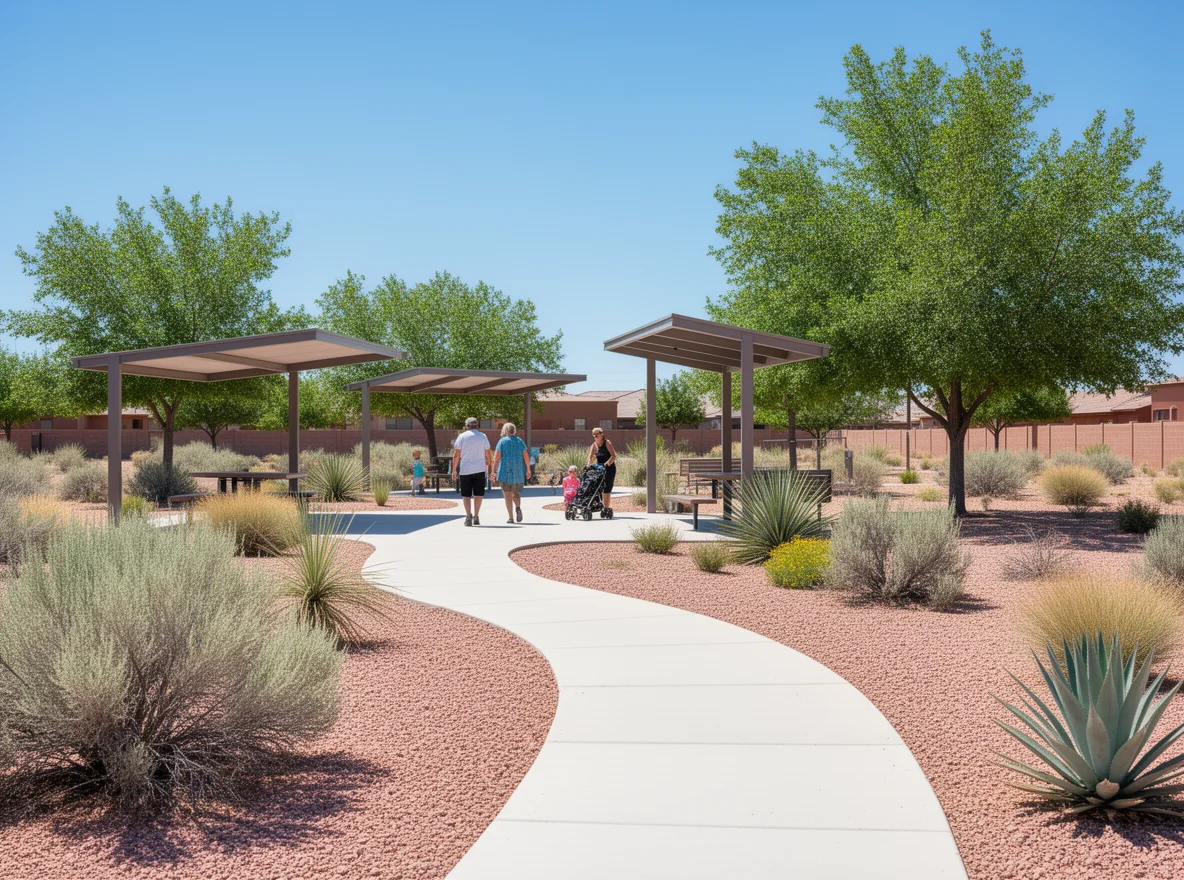
HOAs can be a perk—maintained common areas, neighborhood standards, and sometimes amenities like parks or trails. But new communities may have changing dues as services ramp up, and there can be early-phase costs for landscaping or community infrastructure. Occasionally, there are fees that don't show up until you read the full HOA docs (transfer fees, reserve contributions, or rules that affect how you use your property).
Resale neighborhoods can have their own risks: older HOAs may be dealing with major maintenance cycles, which can lead to special assessments. The comparison isn't "new HOA vs. old HOA," it's financial health and scope. Always review budgets, reserves, and the rules on rentals, parking, and exterior changes.
6) Inspection strategy: resale repairs vs. new-build third-party inspections
Some buyers assume a brand-new home doesn't need an inspection. In practice, a third-party inspection (and sometimes a pre-drywall inspection) is one of the best values you can buy. It's not about blaming the builder; it's about catching issues early, documenting punch-list items clearly, and reducing future headaches.
Resale inspections often reveal immediate repairs—aging water heaters, worn roof components, or deferred maintenance. New-build inspections can uncover incomplete items, grading/drainage concerns, or small installation mistakes that are easiest to fix before you move in. Either way, inspection costs should be part of your comparison, not an afterthought.
7) Warranty coverage vs. "already proven" systems
New construction typically comes with builder warranties, but buyers sometimes overestimate how comprehensive they are. Coverage can differ by component (workmanship, systems, structural), and timelines matter. You may also spend time documenting issues and scheduling warranty visits—an opportunity cost that feels real when you're working and living in the home.
Resale homes don't come with builder warranties, but you can sometimes negotiate a home warranty policy or price concessions. And there's something to be said for a roof, HVAC, and plumbing system that has already performed through multiple seasons in Rio Rancho's sun, wind, and temperature swings.
8) Commute patterns, school zoning, and lifestyle "fit" costs

Cost isn't only what's on the closing disclosure. It's also time and routine. New communities may be farther from your everyday loop—work, school drop-off, gyms, medical offices, and weekend activities. That can translate to more fuel, more wear on your car, and less time at home. Resale homes in established areas might offer quicker access to the parts of Rio Rancho (and nearby Albuquerque) you use most.
Schools and zoning can also be a hidden "cost." Even if you don't have children, school boundaries can affect resale value and demand. If you do have kids (or plan to), consider the time cost of commuting to preferred programs or activities. The best home is the one that supports your life, not just your spreadsheet.
9) Negotiation leverage: incentives vs. price flexibility
Builders often advertise incentives—rate buydowns, closing cost contributions, appliance packages—but the fine print matters. Some incentives require using the builder's preferred lender or title company, and the headline benefit may be offset by less flexibility on price. With resale, negotiations can take different forms: repair credits, seller-paid costs, or price reductions based on condition and comparable sales.
A smart comparison is to translate everything into the same language: total cash to close, projected monthly payment after taxes adjust, and likely first-year out-of-pocket costs.
How to compare new vs. resale like a local
- Create a "first 12 months" budget that includes upgrades, landscaping, and moving-related purchases.
- Ask for realistic tax estimates on new builds after the home is assessed as complete.
- Review HOA documents early and look beyond the monthly dues to reserves and rules.
- Get an inspection either way—resale for repairs, new build for verification and leverage on punch-list items.
- Evaluate lifestyle logistics (commute, access to parks/trails, and daily errand routes) as a real cost.
Choosing between a new build and a resale home in Rio Rancho isn't about picking the "better" option—it's about picking the option that matches your priorities and your budget with fewer surprises. Bright House Real Estate works across Rio Rancho, Albuquerque, and surrounding areas to help buyers compare real costs, not just headlines. If you want a side-by-side breakdown for your situation—cash to close, monthly payment stability, and the upgrades you'll actually care about—Tiffany Paleo can help you run the numbers with confidence and clarity.